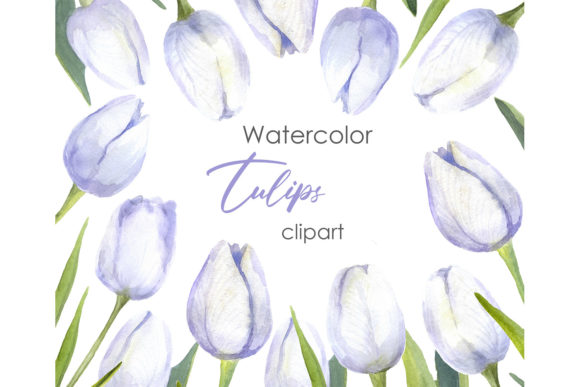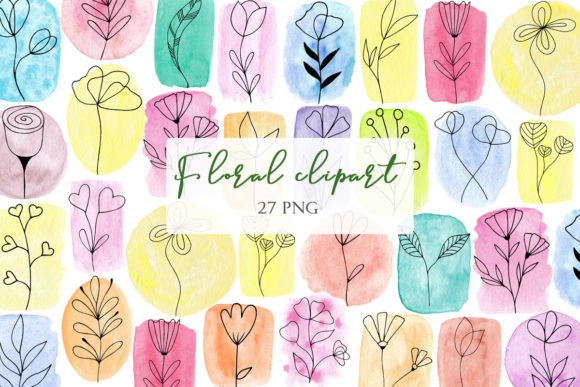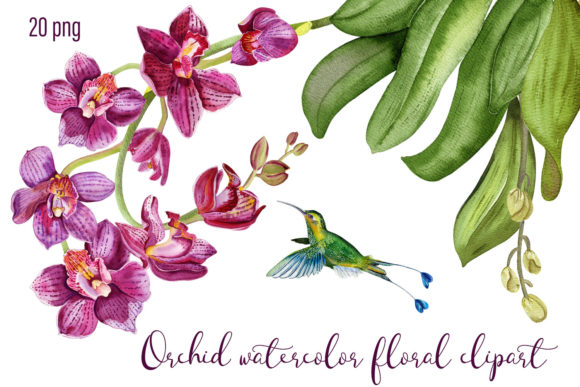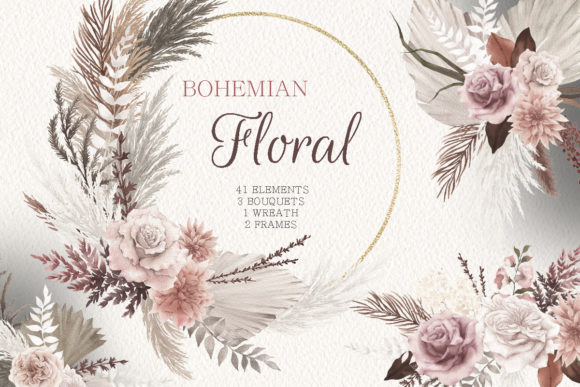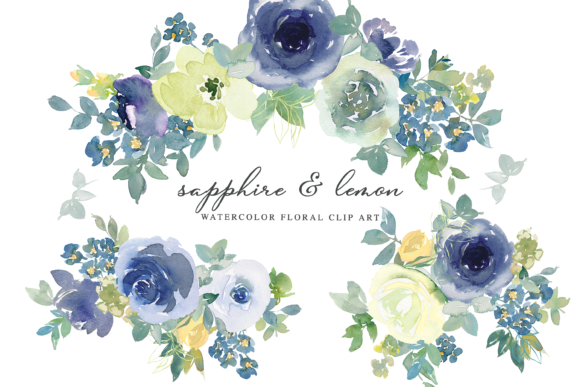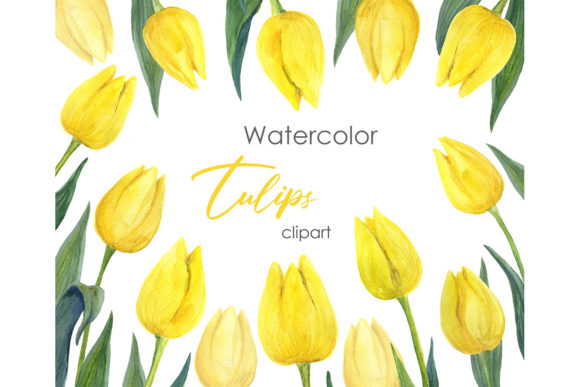
Watercolor Floral Clipart. Tulip Clipart
As a brand designer, I often seek out graphic design assets that can elevate a small business’s visual presence without overwhelming it. Watercolor Floral Clipart. Tulip Clipart offers a soft, artistic touch that can enhance local business branding, product packaging, and promotional materials with elegance and charm.
The First Impression: Soft, Elegant, and Timeless
Watercolor Floral Clipart. Tulip Clipart immediately evokes a sense of calm and sophistication. The delicate lines and muted tones suggest a brand personality that is organic, handmade, and feminine. This style fits well with boutique stores, artisanal products, and small businesses looking to convey a warm, approachable image.
It feels like an illustration from a vintage journal or a hand-painted menu. Its aesthetic is ideal for businesses that want to stand out in a crowded market while maintaining a sense of authenticity and creativity.
Real-World Applications for Local Businesses
Watercolor Floral Clipart. Tulip Clipart is incredibly versatile. It can be used in logo design, brand identity, product labels, and packaging design. For a small business, this clipart can serve as a key visual element that ties together all aspects of their marketing and product presentation.
- Product Labels: Perfect for handmade soaps, candles, or skincare products, where a soft, artistic touch can enhance the perceived value.
- Packaging Design: Adds a decorative accent to boxes, bags, or jars, making the product more visually appealing on store shelves.
- Social Media Graphics: Ideal for Instagram posts, Facebook banners, or email newsletters, where a cohesive look helps build brand recognition.
- Printable Design: Can be used for thank-you cards, stickers, or seasonal promotions, offering a professional yet personal feel.
- Canva Template: Works well in digital design platforms, allowing non-designers to easily incorporate the clipart into their marketing visuals.
Supporting Business Presentation
Using Watercolor Floral Clipart. Tulip Clipart can significantly improve a business’s visual appeal. It helps create a stronger first impression, improves product recognition, and establishes a clearer visual hierarchy. When integrated thoughtfully, it enhances brand consistency and builds customer trust through a polished, professional look.
This clipart also supports better shelf appeal, especially for small businesses competing with larger brands. A well-designed package can make a big difference in how customers perceive the quality and uniqueness of the product.
Where It Shines: Branding and Promotional Use
Watercolor Floral Clipart. Tulip Clipart excels in situations where a decorative, artistic element is needed without overpowering the message. It works best as a supporting graphic rather than the main focus.
- Product Labels: Adds a refined touch to product tags, making them more eye-catching and memorable.
- Hero Graphics: Can be used as a background or accent in website banners, social media posts, or promotional ads.
- Seasonal Packaging: Ideal for holiday campaigns, weddings, or special events where a floral theme is appropriate.
- Social Media Campaigns: Enhances the visual storytelling of a brand, helping to connect emotionally with the audience.
Where to Use With Caution
While Watercolor Floral Clipart. Tulip Clipart is beautiful, it’s not suitable for every design context. It should be used carefully in situations where clarity and simplicity are essential.
- Formal Corporate Branding: May not align with the clean, minimal aesthetic preferred by corporate clients.
- Very Small Labels: The detail may get lost when scaled down, making it less effective.
- Crowded Product Packaging: Too much decoration can confuse the viewer and dilute the brand message.
- Low-Contrast Backgrounds: May not be visible enough, reducing its impact.
- Luxury Minimalist Brands: Overly ornate elements may clash with a sleek, modern design.
Practical Designer Notes
Before finalizing any project, I always test design assets in real-world scenarios. Here are some practical steps to take when using Watercolor Floral Clipart. Tulip Clipart:
- Test on Real Packaging Mockups: See how the clipart looks on different materials and sizes.
- Check Black and White Usage: Ensure it remains visually appealing without color.
- Preview on Small Labels: Confirm that details are still legible at smaller scales.
- Test with Brand Colors: Make sure it complements the existing palette without clashing.
- Compare with Competitor Packaging: Ensure it stands out while fitting within the industry standards.
- Check Print Quality: Verify that the clipart maintains its integrity when printed.
- Review PNG Transparency: Ensure it blends well with different backgrounds.
- Inspect SVG or Vector Editability: Confirm it can be resized and modified without loss of quality.
- Test Beside Different Font Styles: See how it pairs with serif, sans serif, script, and display fonts.
- Confirm Commercial Licensing: Always verify that the asset can be used for client work, business branding, or physical product sales.
Conclusion: A Versatile Asset for Creative Businesses
Watercolor Floral Clipart. Tulip Clipart is a valuable addition to any brand designer’s toolkit. It offers a soft, elegant aesthetic that can enhance local business branding, product packaging, and promotional visuals. Whether you're working on a handmade soap line, a boutique store, or a seasonal campaign, this clipart can help create a cohesive and attractive brand identity.
By understanding its strengths and limitations, designers can use it effectively to support a business's visual strategy, build customer trust, and create a more engaging brand experience. As with any design asset, the key is to use it thoughtfully and in alignment with the brand’s goals and audience.